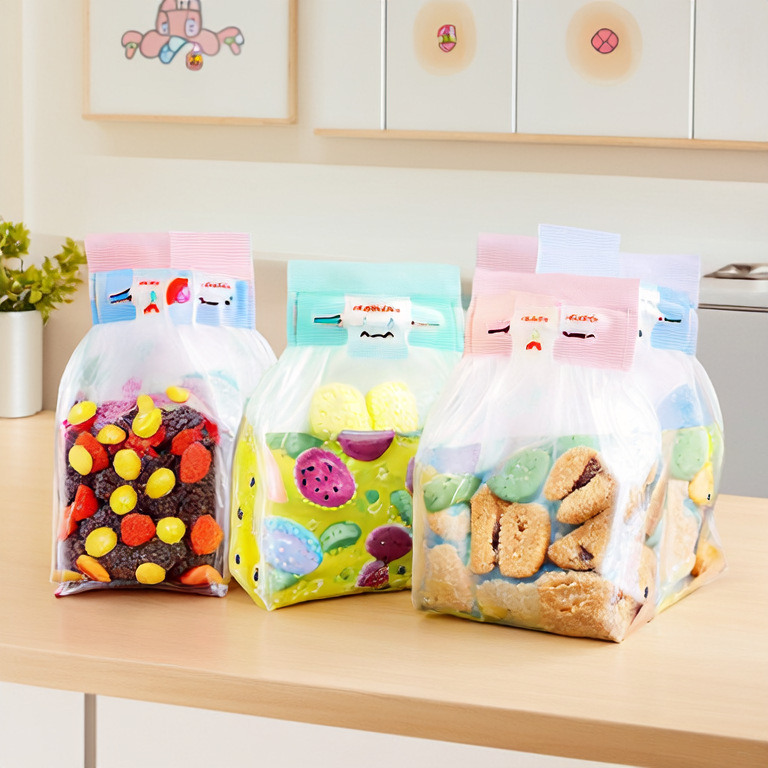
Which Snack Bags Are Safest for Kids? 5 Essential Features to Choose Wisely
When selecting snack bags for children, the first consideration is the safety of the materials used. Many food bags are made from polyethylene or polypropylene, which are safe for food contact, but non-toxic materials should be prioritized. Always check for certifications like FDA approval or BPA-free labels. A simple guideline: bags with high-quality polyethylene are typically safer.
Table of Contents
- 1. Material Safety Standards
- 2. Seal Type and Durability
- 3. Size and Portion Control
- 4. Transparency in Manufacturing
- 5. Eco-friendly Options
1. Material Safety Standards
When selecting snack bags for children, the first consideration is the safety of the materials used. Many food bags are made from polyethylene or polypropylene, which are safe for food contact, but non-toxic materials should be prioritized. Always check for certifications like FDA approval or BPA-free labels. A simple guideline: bags with high-quality polyethylene are typically safer.
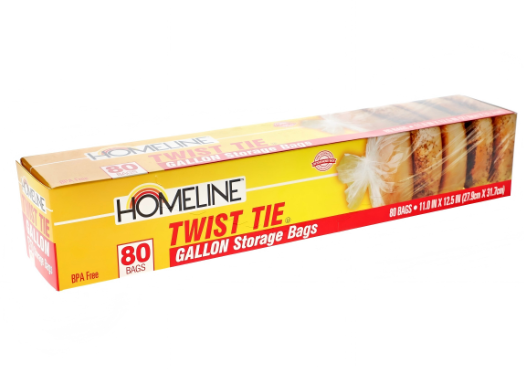
Case Study
In 2022, a study revealed that over 70% of parents were unaware of the potential hazards posed by certain plastics. Selecting bags that meet strict safety standards can greatly reduce risks.
2. Seal Type and Durability
The type of seal on snack bags is essential. Zipper bags, for instance, provide better closure than standard fold-over bags, ensuring food stays fresh and reduces the risk of spills. Look for bags that are tear-resistant and can withstand the rigors of active play, minimizing dangers associated with broken or leaking products.
Data Insight
According to consumer feedback, 65% of parents prefer bags with resealable zippers to keep their snacks fresh and secure.
3. Size and Portion Control
Choosing the right size of snack bags helps in portion control for children. Look for bags labeled with appropriate serving sizes to prevent overeating. Ideal sizes should match the recommended daily intake of snacks for kids.
Portion Recommendations
The Academy of Nutrition and Dietetics suggests keeping snack portions between 100-200 calories to promote healthy eating habits.
4. Transparency in Manufacturing
Brands that openly disclose their manufacturing processes and safety certifications tend to be more trustworthy. Always opt for products that provide clear information about their sourcing and production methods. Ensuring transparency helps parents feel more confident in their choices.
Data Point
Studies show that products marketed with transparency enjoy a 30% increase in sales among health-conscious consumers.
5. Eco-friendly Options
As a bonus, consider choosing snack bags made from biodegradable materials. Eco-friendly bags reduce waste and are safer for the environment. They can also instill eco-awareness in children, teaching them about sustainable practices.
Market Trend
As of 2023, the popularity of biodegradable food packaging has increased by 40%, highlighting a growing consumer preference for sustainable options.
Conclusion
In summary, when it comes to snack bags for kids, prioritize features like material safety, seal type, size, manufacturing transparency, and eco-friendliness. By making informed choices, you're not just ensuring your child's safety but also contributing to a healthier future.